Colorado Construction Defect Lawyer for Homeowners and HOA’s
Builders make mistakes, but you shouldn’t be stuck with them. Get the home you paid for.

From Jobsite to Courtroom
When a homebuilder cuts corners, Colorado homeowners and HOAs pay the price. Alex Nelson represents them at Johnson Law. A former general contractor and excavation company owner, he's spent more than 20 years on all sides of the construction industry. Alex knows exactly how defects happen, and what it takes to prove and fix them.
• Is your lawyer also a general contractor?
• Can they read a set of blueprints?
• Do they understand soil compaction and drainage? And building weatherproofing?
• Have they built a home like they one they’re arguing about?
Alex can answer “Yes” to each of these questions, which gives him the level-up over other construction lawyers who have never seen a construction jobsite.

How a Construction Defect Claim Works in Colorado
Colorado's Construction Defect Action Reform Act (CDARA) requires most claimants to send a formal Notice of Claim to the responsible contractor or designer before filing suit, giving them an opportunity to inspect the property and make a repair or settlement offer. It's a process with real deadlines. For residential claims, notice generally must go out no later than 75 days before a lawsuit is filed, so timing matters. We handle every step of this process for you.
We often take construction defect cases on a contingent-fee basis, with case costs advanced by the firm: you pay no attorney's fee unless we recover for you.
Think You Have a Construction Defect?
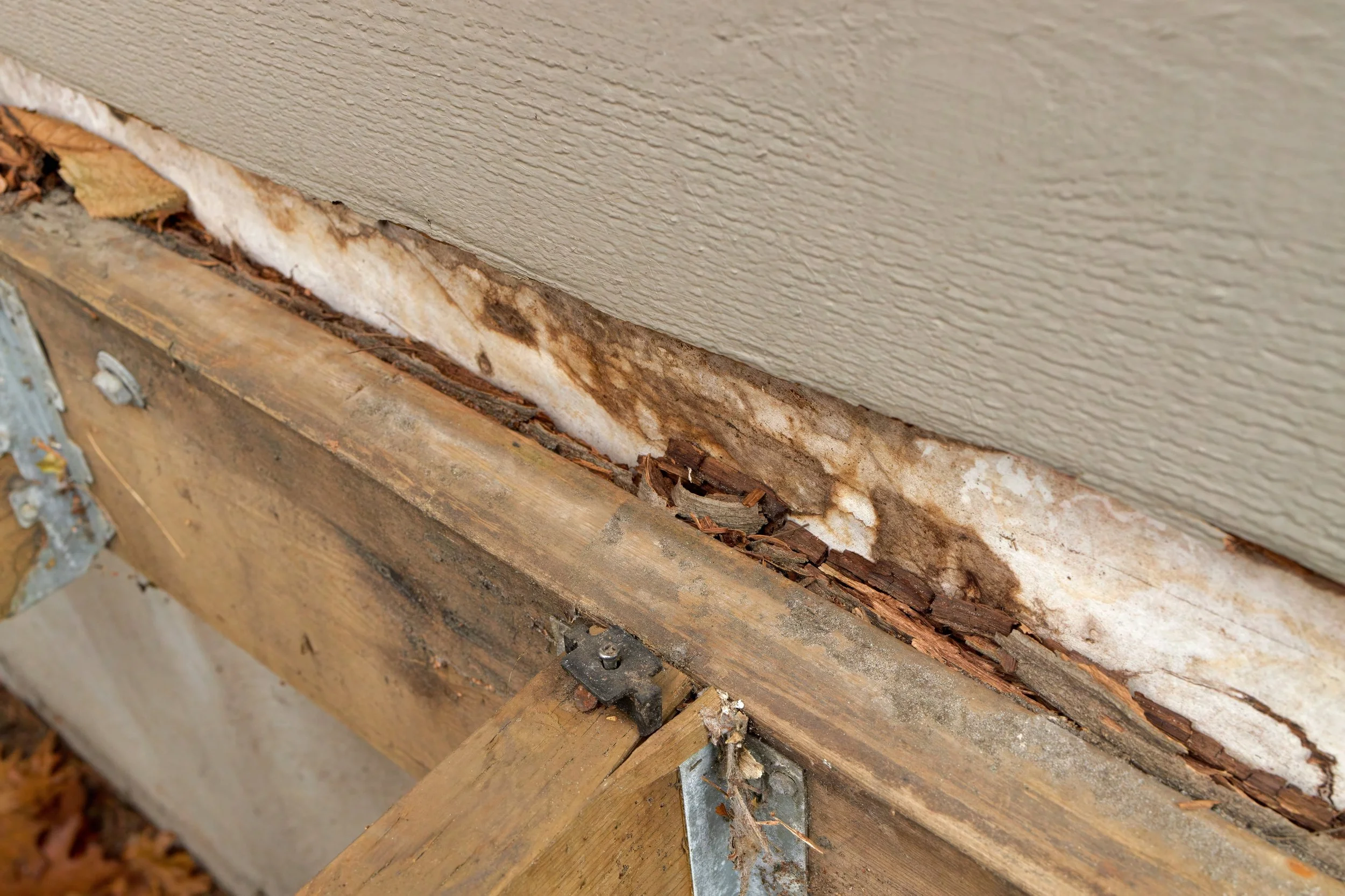
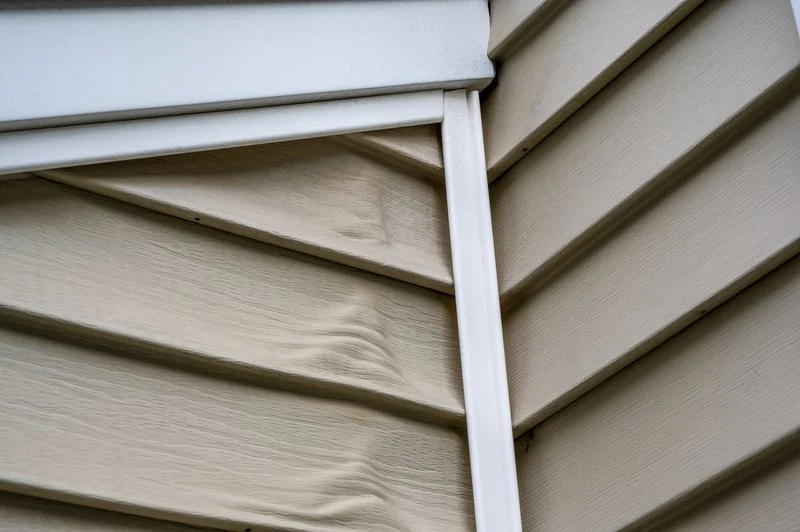
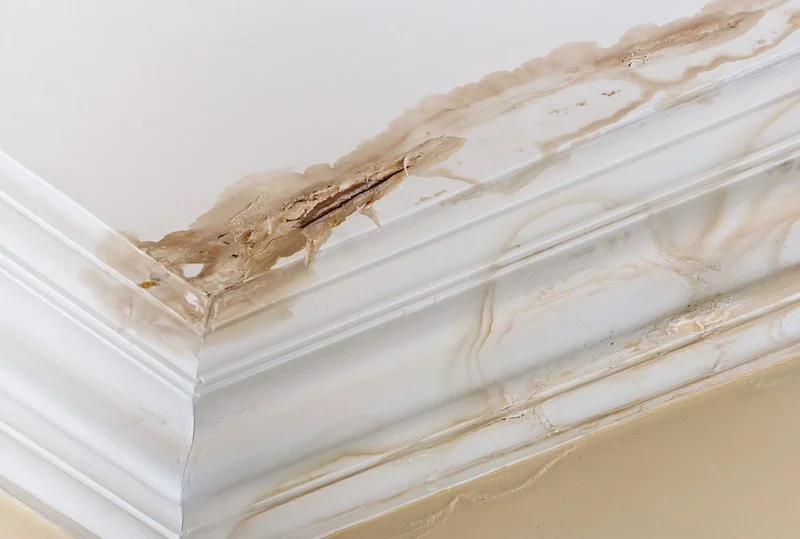
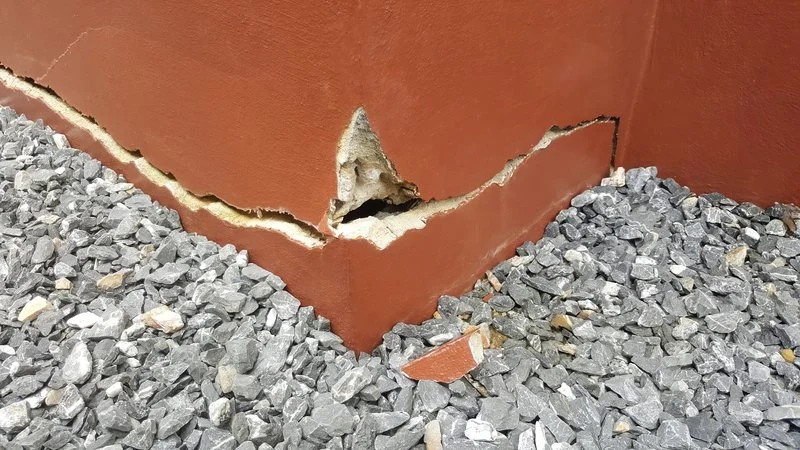
If your home, condo, or commercial property has any of the issues above, or something that just doesn't look right, don't wait. Colorado law puts a time limit on when you can bring a claim, and the sooner a defect is documented, the stronger your case. Contact us for a free, confidential case evaluation.

Have a question?
Send Alex a message and let’s figure this out together.
Disclaimer: Submitting this form or otherwise contacting the Firm does not create an attorney-client relationship. An attorney-client relationship is formed only after the Firm has completed its conflict check, agreed to represent you, and confirmed the representation in writing. Please do not submit confidential or sensitive information through this form. The Firm does not undertake to provide legal advice or take action on your behalf unless and until it agrees in writing to represent you. You remain responsible for protecting your rights and complying with any applicable deadlines.