Colorado Defective Concrete, Deck & Retaining Wall Defect Attorney
Driveways, patios, sidewalks, decks and retaining walls are often treated as afterthoughts on a project, but they're expensive to replace and some of them carry real safety risks. When concrete spalls and cracks after a winter or two, a deck pulls away from the house, or a retaining wall starts to lean, the contractor who built it may be responsible.
Concrete Flatwork Defects
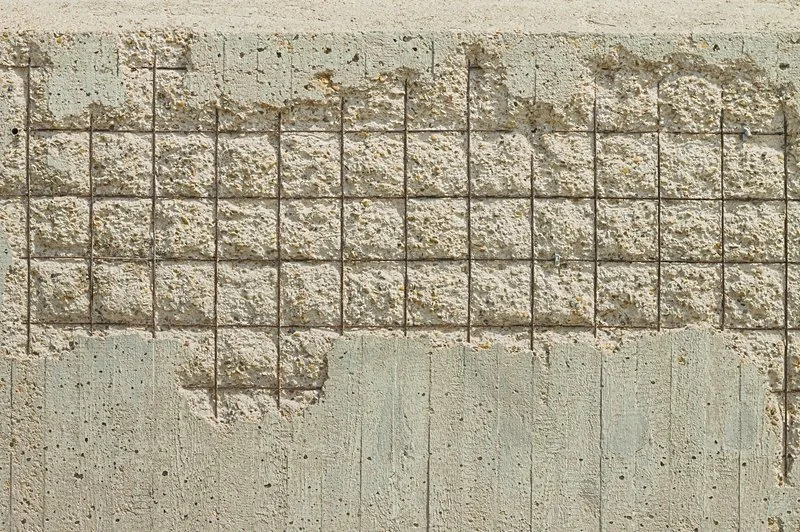
Colorado's freeze-thaw cycles and deicing salts are hard on concrete, which is exactly why industry standards call for air-entrained mixes, proper water-to-cement ratios, adequate base compaction, correct control joint spacing and proper curing. When those steps are skipped, you see scaling, spalling, map cracking, settlement, heaving and drainage toward the house. Ordinary shrinkage cracks are expected. Widespread surface failure within a few years usually isn't.
Deck and Balcony Defects
Deck failures can be dangerous. Common problems include improperly flashed or attached ledger boards, missing lateral load connectors, undersized joists and beams, footings that are too shallow for the frost line, and waterproofing failures on elevated decks over living space that let water into the structure below.
Retaining Wall Defects
Retaining walls over a certain height generally require engineering, and every wall needs proper drainage behind it. Leaning, bulging, cracking or separating walls are often caused by missing drainage, inadequate geogrid reinforcement, poor backfill compaction, or walls built taller than their design allows.
Frequently Asked Questions
Is a cracked driveway really worth a legal claim? A few cracks usually aren't. A driveway, patio or walk system that's scaling, heaving or failing across the board can cost tens of thousands of dollars to remove and replace, and that may justify a claim, especially when combined with other defects on the property.
My contractor says the salt caused the spalling. Is that a defense? Deicers are a reality in Colorado, and properly mixed, placed and cured concrete is expected to withstand normal use. Testing cores from the slab can often show whether the concrete itself was deficient.
What should I do if my deck feels unsafe? Stop using it, document its condition, and have it evaluated by a qualified professional. Safety comes first, and the documentation will matter later.
Contingent fee representation is available for qualifying claims, and hourly arrangements are available for smaller matters. Call 303-409-7529 for a free case review.