Colorado Foundation and Structural Defect Attorney
Structural defects are the most serious problems a property owner can face. They threaten the safety of the building, they're expensive to fix, and they tend to get worse over time. If your home or building shows signs of foundation movement or structural failure, the builder, its engineers and its subcontractors may be responsible.
Warning Signs of a Structural or Foundation Defect
Cracks in foundation walls or slabs that widen, shift or let in water
Diagonal drywall cracks radiating from the corners of doors and windows
Doors and windows that stick, won't latch or fall out of square
Sloping, bouncy or heaving floors
Gaps between walls and ceilings, or between trim and floors
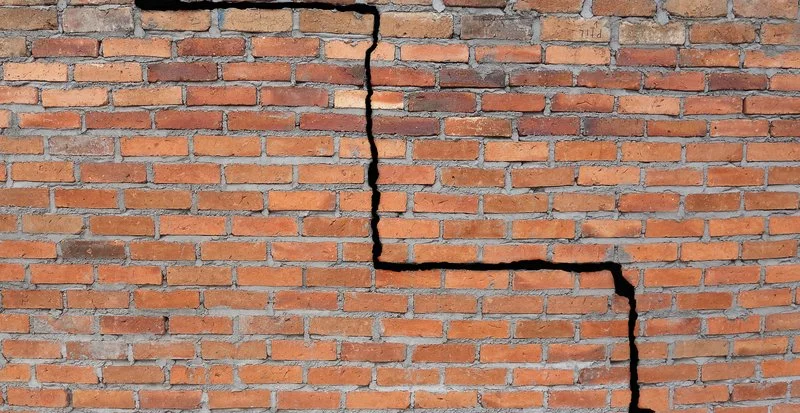
Cracked or separating brick, stone or stucco veneer
Basement slab heave, or interior walls that have lifted or dropped
Common Causes
In my experience running a construction company, structural problems almost always trace back to decisions made early in the project. Typical causes include inadequate soils investigation, foundations designed for the wrong soil conditions, poor compaction of fill, undersized or improperly spaced framing members, missing hold-downs and shear wall nailing, and framing that departs from the engineered plans. Colorado's expansive clay soils make proper geotechnical engineering especially important here.
Who May Be Responsible
A structural claim can involve several parties: the builder or developer, the geotechnical engineer, the structural engineer, the foundation contractor, the framing subcontractor and the excavation or grading contractor. Each typically carries its own liability insurance. Identifying everyone who contributed to the problem is often the difference between a full recovery and a partial one.
Proving a Structural Defect Claim
These cases turn on evidence. I work with structural and geotechnical engineers to document the movement, determine the cause and develop a repair scope that actually fixes the problem rather than patching symptoms. A builder's offer to "monitor" cracks or apply cosmetic repairs is not a remedy for a foundation that's still moving.
Frequently Asked Questions
Are foundation cracks always a construction defect? No. Some hairline shrinkage cracks in concrete are normal. Cracks that grow, shift out of plane, let water in or come with sticking doors and sloping floors are a different matter and should be evaluated by an engineer.
The builder says foundation movement is normal for Colorado soils. Is that true? Colorado soils are challenging, but that's exactly why builders are expected to investigate them and design for them. Known soil conditions don't excuse a foundation that wasn't built to handle them.
How long do I have to file a foundation defect claim? Generally two years from when you discovered, or should have discovered, the physical signs of the problem, subject to a six-year statute of repose. Talk to a lawyer as soon as you notice movement.
Contingent fee representation is available for qualifying structural defect claims, and hourly arrangements are available for other matters. Call 303-409-7529 for a free case review.