Colorado Eminent Domain and Inverse Condemnation Attorney for Property Owners
When a government agency, utility, pipeline company or water district needs your land, it has the power to take it. What it doesn't have is the right to pay you less than your property is worth. And when a public project damages your property without any formal taking at all, Colorado law may still require the government to pay. I represent landowners, homeowners and business owners in both situations.
Eminent Domain: When Your Property Is Being Taken
Eminent domain usually starts with a letter: a notice of intent, an appraisal, and an offer. That first offer reflects the condemning authority's view of value, and it may leave out a great deal. Just compensation in Colorado is generally the fair market value of what's taken, but it can also include damages to the property you keep, sometimes called severance or remainder damages. A partial taking for a road widening, utility easement or pipeline can reduce access, usability and value of the rest of your land in ways a first appraisal may not capture.
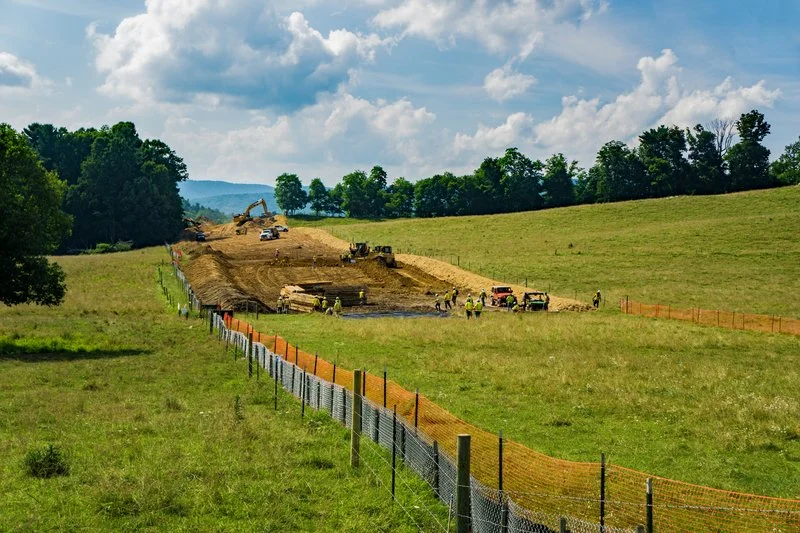
As a former excavation and general contracting company owner, I understand how construction projects actually affect a property: grading changes, drainage, access during and after construction, and the real cost to cure. That perspective helps when challenging the condemning authority's numbers.
Inverse Condemnation: When Your Property Is Damaged Without Compensation
Inverse condemnation is a claim a property owner brings when the government has effectively taken or damaged property without starting a formal condemnation case. Colorado's Constitution is broader than the federal Constitution here. Article II, Section 15 provides that private property shall not be taken or damaged for public or private use without just compensation. Examples can include:
Flooding or erosion caused by a public drainage, road or stormwater project
Loss of access when a road is closed, relocated or reconfigured
Physical occupation of private land by public facilities without an easement
Construction activity that damages nearby structures or land
Regulations or decisions that leave property with no reasonable economic use
Fees and Cost of Representation
In a Colorado condemnation case, the landowner may be able to recover reasonable attorney fees from the condemning authority if the final compensation award is at least $10,000 and at least 30% more than the condemnor's last written offer before filing. I offer contingent fee arrangements, often based on the increase obtained above the initial offer, as well as hourly arrangements. We'll discuss which fits your situation.
Frequently Asked Questions
Can I stop the government from taking my property? Sometimes, but it's difficult. Challenges are possible where the taking isn't for a legitimate public purpose, the condemnor didn't negotiate in good faith, or legal procedures weren't followed. In most cases, the main fight is over how much you're paid.
Should I accept the first offer? Not before having it reviewed. The first offer is a starting point, and it may not account for damage to your remaining property, business impacts or construction effects.
Can a private company use eminent domain? In Colorado, certain private entities, such as utilities, pipeline companies and ditch companies, can have condemnation authority. Their power still has limits, and they still owe just compensation.
A public project flooded my property. Who do I sue? The right defendant and claim depend on who designed, built and controls the project. Claims against public entities have short notice deadlines, so get advice quickly.
Call 303-409-7529 for a free consultation before you sign anything.